When you build or renovate a home in Mohali or anywhere in Punjab, the flooring question comes up early: natural marble or vitrified tiles? Both are popular, both can look excellent, and both can disappoint if they are chosen for the wrong room or fitted badly. This guide compares the two in plain terms so you can decide what suits each part of your home.
What is the difference?
- Marble is a natural stone cut from quarries into slabs or tiles. Every piece has its own veining and colour, and it can be ground and polished again and again over its life. Indian marble and Italian marble are the two main families used in homes.
- Vitrified tiles are man-made. Clay and minerals are pressed and fired at very high temperature, which makes the tile dense and gives it very low water absorption. The design, including marble-look patterns, is printed or built into the tile.
Looks and feel
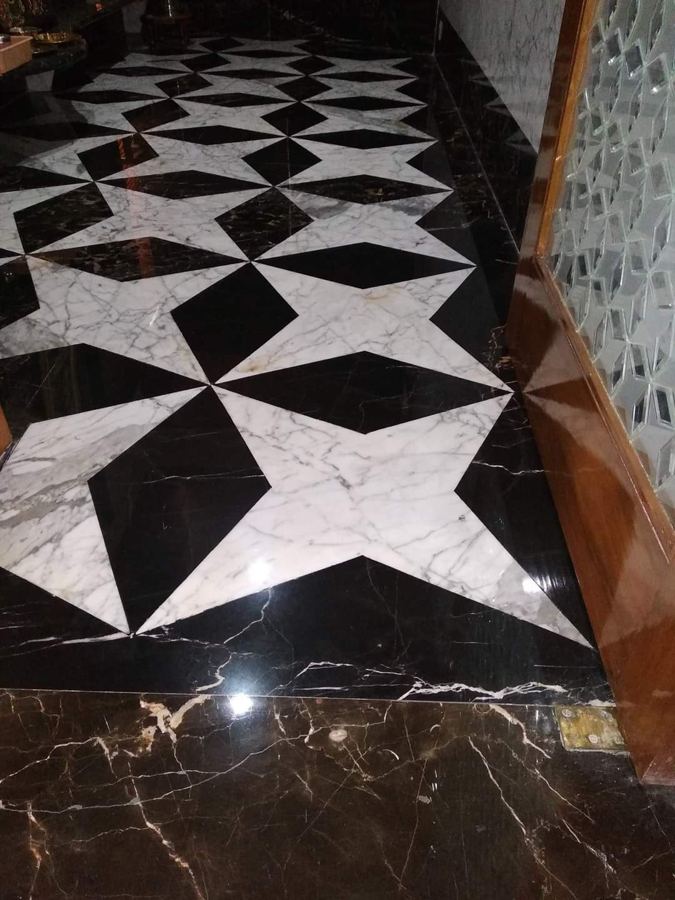
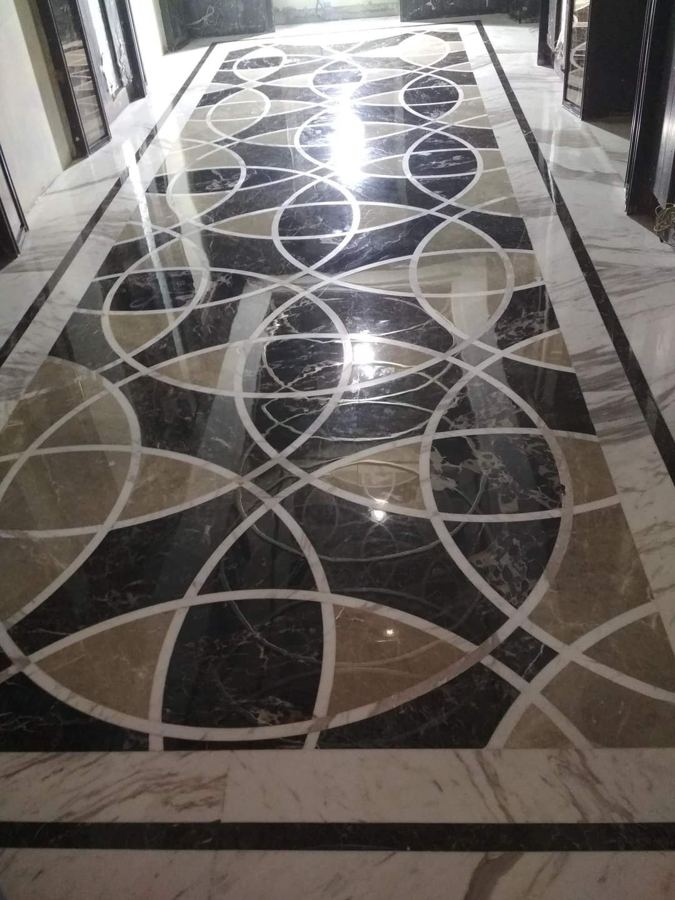
Marble has depth that a printed surface finds hard to match. The veins run through the stone, slabs can be matched so the pattern flows across a room, and borders and inlay designs can be cut from different stones. A well-polished marble floor also feels cool and solid underfoot, which many families value in Punjab summers.
Vitrified tiles give you a very uniform look. Every tile matches the sample, joints can be kept thin, and there is a huge range of colours, sizes and finishes, from glossy marble prints to matt wood looks. If you want a clean, consistent floor and less variation, tiles make that easy.
Durability and scratches
Vitrified tiles are hard and resist everyday scratching well. Their weak point is impact: a heavy object dropped on a tile can chip or crack it, and a chipped glossy tile cannot be polished back.
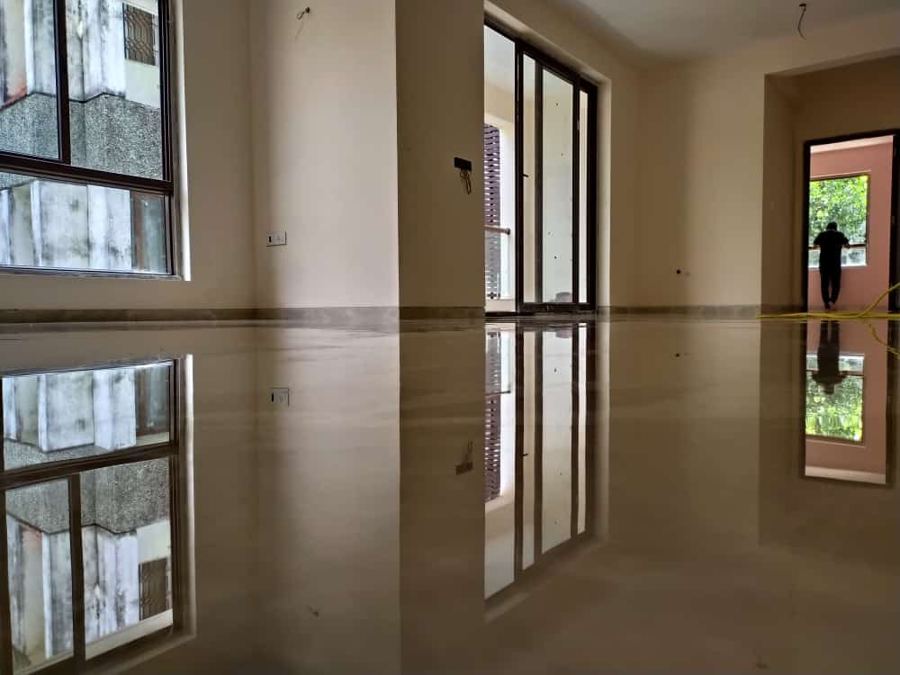
Marble is softer, so it shows fine scratches and wear over time, especially near entrances where dust and grit are walked in. The advantage is that this wear is on the surface. Marble can be ground and polished to remove scratches and bring back the shine, which is why an old, dull marble floor can often look new again after professional restoration.
Stains and water
Vitrified tiles absorb very little water, so tea, oil and turmeric spills usually wipe off. This makes them a practical choice where spills are frequent.
Marble is porous and reacts with acids such as lemon, vinegar and many bathroom cleaners. Spills should be wiped up quickly, and a good stone sealer helps, particularly in kitchens and dining areas. Our guide on removing stains from marble explains how to deal with marks safely if they do happen.
Maintenance
- Vitrified tiles: sweep and mop with a mild cleaner. The grout lines are the part that collects dirt, so they need occasional scrubbing.
- Marble: dust-mop daily, clean with a pH-neutral cleaner, avoid acidic and abrasive products, and plan for periodic polishing to keep the gloss. In return the floor can be renewed rather than replaced.
Repairs and lifespan
A damaged tile has to be cut out and replaced. That is simple if you kept spare tiles from the same batch; if not, finding an exact match a few years later can be difficult, because designs and shades are discontinued.
Marble can usually be repaired in place. Small chips can be filled, and grinding and polishing restores the whole surface evenly. With care, a marble floor can last as long as the house.
Which room suits which floor?
- Living and dining rooms, entrance halls: marble is a natural fit where you want a premium look, slab matching or an inlay design. Vitrified tiles are a good choice for a uniform modern look.
- Bedrooms: both work well. Marble stays cool in summer; tiles give more colour and texture options.
- Kitchens: vitrified or matt tiles cope better with oil, turmeric and acidic spills. If you choose marble, seal it and wipe spills promptly.
- Bathrooms: anti-skid or matt tiles are safer on wet floors. Polished marble can be slippery when wet and is affected by many bathroom cleaners.
- Staircases: marble steps with properly finished edges look elegant and can be polished when they wear. With tiles, choose step tiles or nosings with good grip.
- Balconies and outdoor areas: choose a textured, slip-resistant surface whichever material you pick.
Cost is more than the material
Prices of both marble and tiles vary widely by type, size and quality, so compare actual quotes rather than general figures. Look at the full cost: the material, wastage from cutting, base preparation, fitting, and for marble, the polishing that follows fitting. Also think about the long run: a marble floor that can be polished again may save a full replacement later.
Fitting quality matters more than you think
Either floor will only look as good as the work underneath it. A level base, correct mortar or adhesive, straight lines, even joints and careful cutting around doors and corners make the difference between a floor that looks right from every angle and one with hollow spots and lippage. For marble, slab matching before laying and a proper polish after laying finish the job.
Need help choosing?
Onyx Stones designs and fits both marble and tiles, so we can advise you room by room without pushing one material. Visit our services page or browse the gallery of our marble and tile work. To book a site visit in Mohali or elsewhere in Punjab, call or WhatsApp us on +91 78000 64168. We are open Monday to Sunday, 9 AM to 10 PM.