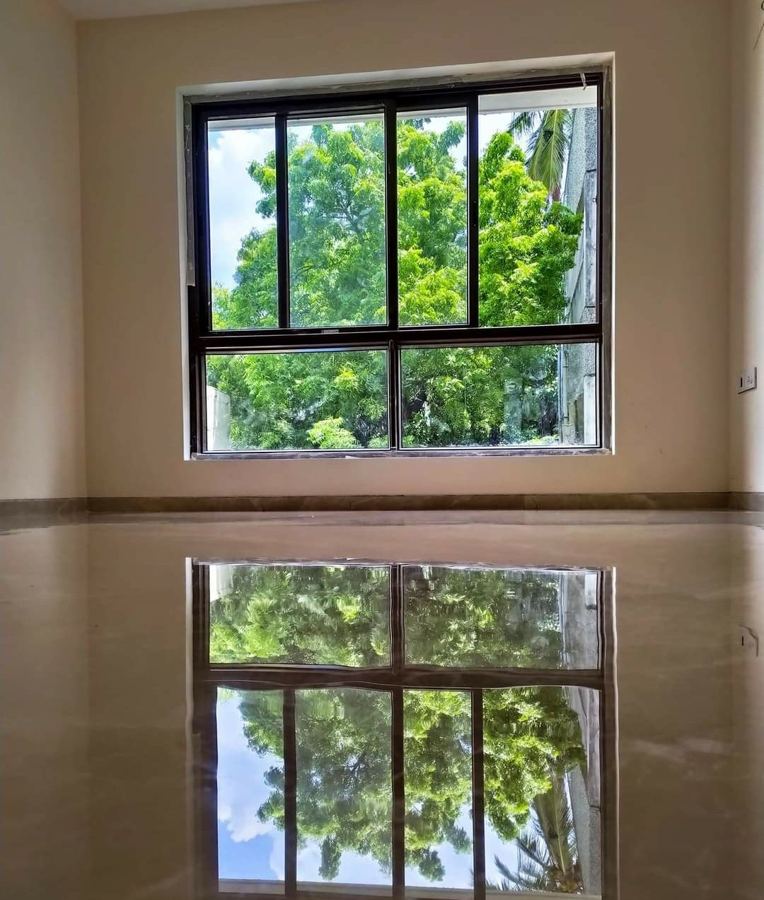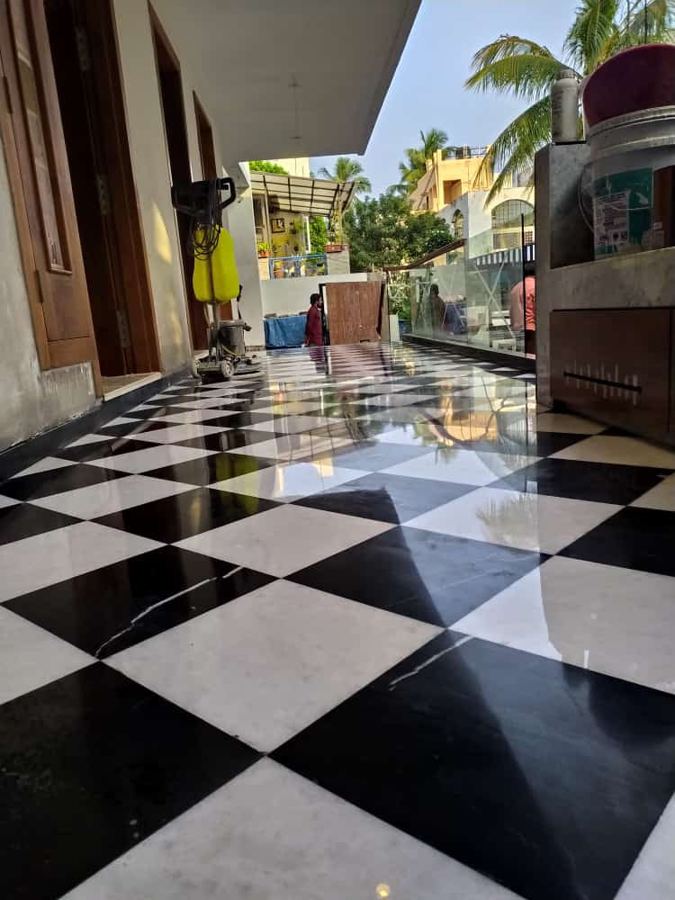
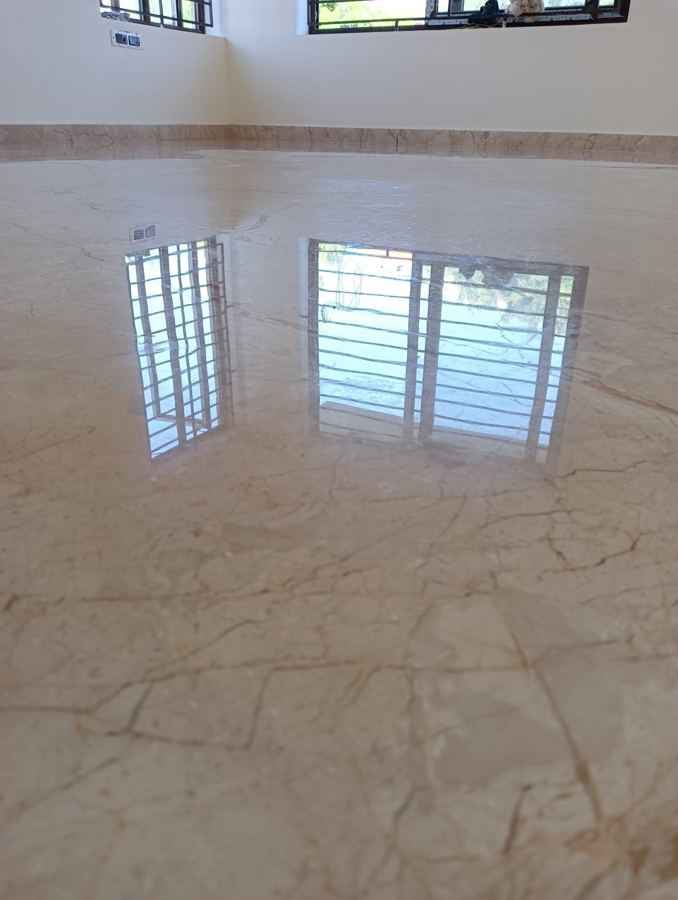
Winter in Mohali and across Punjab brings thick morning fog, damp air, dusty winds and long evenings spent indoors. All of this shows up on the floor. Marble that looked bright after Diwali can turn dull, streaky and slippery by January if it is not looked after. The good news is that winter care for marble is mostly about small daily habits. This guide explains what winter does to marble floors and how to protect them until spring.
What winter does to marble floors
- More grit comes indoors. Fog and dew leave paths, parking areas and lawns damp, and shoes carry wet soil and fine sand inside. Grit is the main cause of scratches and dull walkways on marble.
- Floors take longer to dry. In cold, humid weather a mopped floor can stay wet for a long time. Water left standing dries into marks and streaks, and a damp floor is slippery.
- Furniture moves more. Heaters, chairs, beds and sofas are pushed around to sit near the sun or the heater, and dragging them leaves scratches.
- Rugs and mats go down. Rugs keep feet warm, but a rug with a rubber backing that traps moisture can leave marks on the stone beneath.
Stop the grit at the door
The most effective winter habit costs almost nothing. Keep a rough doormat outside each entrance and a soft absorbent mat just inside it, so shoes are wiped twice before they reach the marble. Shake out or wash the mats often, because a mat full of mud only spreads it further.
Dust-mop or sweep the floor once a day with a soft broom or microfibre mop, especially in entrances, passages and around the dining area. Removing loose grit before it is walked over protects the shine far better than any cleaner.
Mopping in cold, damp weather
- Sweep before you mop. Mopping over sand drags it across the surface and leaves fine scratches.
- Use a well-wrung mop. In winter the floor dries slowly, so use as little water as possible.
- Choose a mild cleaner. Plain water or a pH-neutral cleaner made for stone is enough. Avoid vinegar, lemon, acid-based tile cleaners and bleach, which etch or dull marble.
- Dry as you go. Follow the mop with a dry cloth or a dry mop so no water marks are left and nobody slips.
- Mop in the warmer part of the day with windows open for some air, so the floor dries faster than it would on a foggy morning or late evening.
If you notice white water marks or cloudy patches, they are usually left by hard water drying on the stone. Our guide on removing stains from marble explains how to treat hard-water marks and other stains safely.
Heaters, furniture and rugs
- Lift, do not drag. Lift heaters, chairs and tables when you move them, and fit felt pads to their legs. Wheeled heaters are best rolled on a mat rather than directly on marble.
- Keep spills off the floor. Tea, coffee and soup are winter favourites. Wipe spills quickly, because tea and coffee can stain and acidic drinks can etch the surface.
- Choose breathable rugs. Use a rug pad that lets air through, and lift rugs now and then to let the floor underneath dry. Never put a rug down on a floor that is still damp from mopping.
- Watch oil and ghee. Winter cooking means more oil and ghee near the kitchen. Blot spills at once instead of rubbing them, and treat any dark mark as a stain.
Keeping the floor safe, not slippery
A polished marble floor is safe when it is clean and dry. It becomes slippery when there is water, mud or a film of cleaner on it. Wipe wet footprints near entrances as soon as you see them, especially if elderly family members or children use the area. Do not use floor wax or oily shine products on marble to make it look brighter, as they leave a slippery film and attract dirt. For marble stairs, keep the treads dry and use mats at the top and bottom of the staircase.
Italian and Indian marble in winter
Both need the same basic care, but light Italian marble shows dull walkways and water marks more clearly, and it is softer, so grit marks it faster. Be extra careful with doormats and daily dusting in rooms with Italian marble. Indian marble is often used in passages, verandas and stairs, which carry the most winter mud, so these areas need sweeping most often. Our guide on caring for Italian vs Indian marble explains the differences in more detail.
When cleaning is not enough
If the floor still looks dull, patchy or scratched after a careful clean, the polished surface itself has worn. Cleaning cannot bring that shine back; polishing can. Many homeowners plan polishing for the end of winter, once the heaviest fog and mud are over, or before a family function or wedding in the season. Read how to prepare your home for marble polishing to get ready, and diamond polishing for marble to understand when deeper restoration is needed.
A simple winter routine
- Daily: shake out the doormats and dust-mop entrances and passages.
- When needed: mop with a well-wrung mop and a mild cleaner, then dry the floor.
- At once: wipe wet footprints and blot spills.
- Weekly: lift rugs, check under heaters and furniture, and clean the mats.
- End of season: look for dull walkways and decide whether the floor needs polishing.
Need help with your marble this winter?
Onyx Stones provides marble polishing, Italian marble polishing and floor polishing for homes in Mohali and across Punjab. See our work in the project gallery, then call or WhatsApp us on +91 78000 64168, or send an enquiry. We are based in Sector 80, Mohali, and are open Monday to Sunday, 9 AM to 10 PM.