Many homeowners in Mohali and across Punjab hear the term "diamond polishing" for the first time when they ask about restoring an old marble floor. It sounds expensive and mysterious, but the idea is simple. This guide explains what diamond polishing actually is, how it differs from a regular polish, the signs that your floor needs it and what to expect when the work is done.
What diamond polishing actually means
Diamond polishing does not put diamonds or any coating on your floor. The name comes from the tools. The polishing pads and grinding discs carry tiny industrial diamond particles bonded into them. Diamond is harder than any natural stone, so these pads can cut and smooth marble evenly and cleanly.
The pads come in grades, from coarse to very fine, much like sandpaper. The work starts with a coarser grade that removes damage, then moves step by step through finer grades. Each pass takes out the marks left by the one before, until the surface is so smooth that it reflects light like glass. The shine comes from the stone itself, not from wax or a chemical layer.
How it differs from regular polishing
Not every dull floor needs the full diamond process. It helps to know the difference:
- Buffing and light polishing work on the very top of the surface. They refresh a floor that is in good condition but has lost some gloss from daily use.
- Diamond grinding and polishing remove a very thin layer of stone. This is what takes out deep scratches, etch marks and uneven wear that a light polish cannot reach.
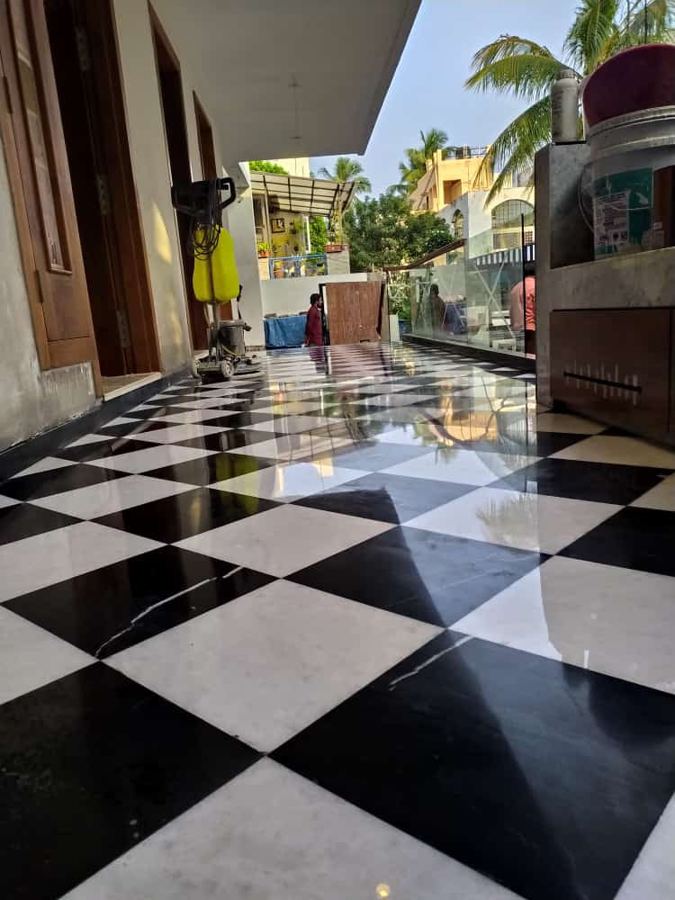
Put simply, a light polish brings back shine; diamond polishing repairs the surface first and then brings back the shine. Our article on the marble polishing process shows where grinding fits among the other steps.
Signs your floor may need diamond polishing
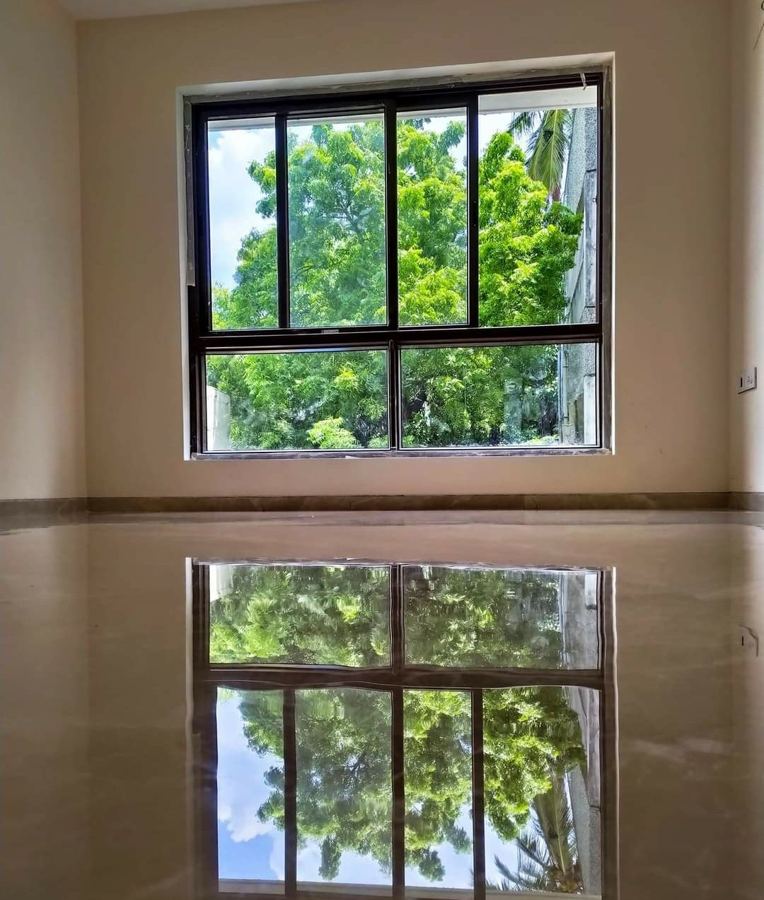
Look at the floor in daylight, kneeling down and looking along the surface towards a window. These signs usually point to diamond polishing rather than a simple buff:
- Scratches you can feel with a fingernail. If a nail catches in the mark, it is too deep for light polishing.
- Dull paths in busy areas. Entrances, passages and the area in front of the sofa or kitchen often wear faster than the rest of the room.
- Etch marks from acids. Rings and dull patches from lemon, vinegar, soft drinks or strong toilet and tile cleaners are damage to the stone, not dirt. Cleaning will not remove them.
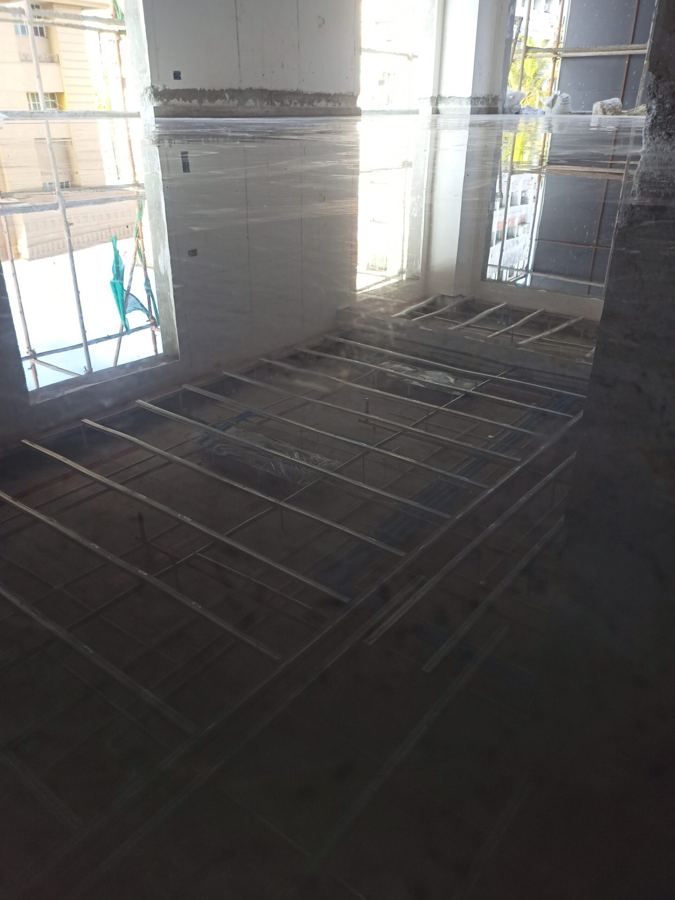
- Uneven joints (lippage). When one slab sits slightly higher than the next, the edges catch dirt and the reflection breaks at every joint. Grinding can level the surface so it reads as one even floor.
- A floor that stays dull after cleaning. If the marble looks tired even when freshly mopped, the surface itself is worn.
- Old floors with years of wear. Floors that have never been restored, or were only waxed, usually respond best to the full graded process.
Fresh stains are a different problem. Oil, tea or turmeric marks can often be lifted without grinding; see our guide to removing stains from marble first.
Is it safe for every marble?
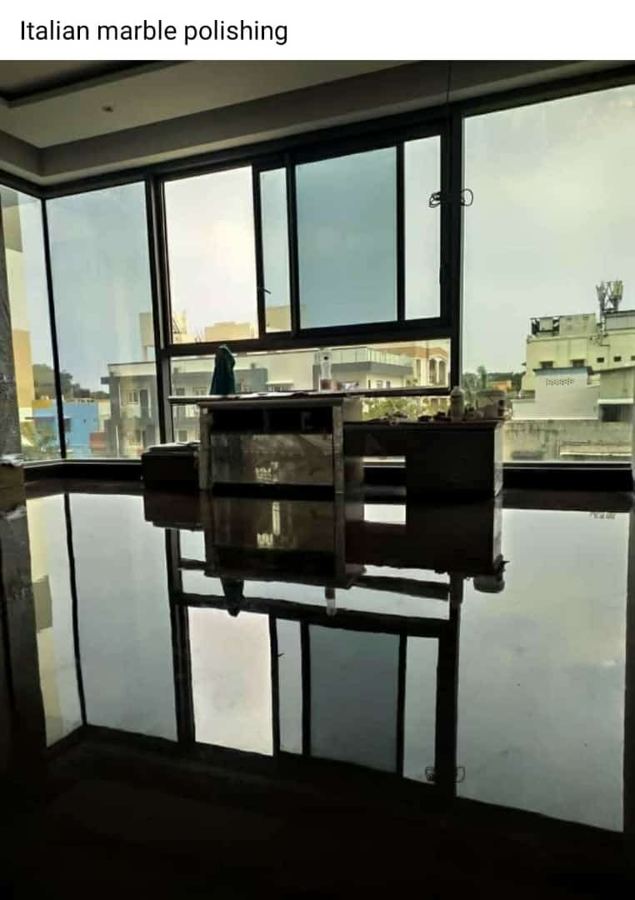
Diamond polishing is used on most marble floors, but the process must suit the stone. Many Indian marbles are dense and handle grinding well, which is why they restore nicely after years of foot traffic. Softer Italian marble, often reinforced with resin in its veins, needs a gentler sequence so the filling and the depth of colour are not damaged. Read more in Italian vs Indian marble care. A site visit is the right time to identify your stone and agree on the approach before any machine starts.
Cracked, broken or loose pieces are also checked before polishing. Grinding cannot fix a slab that is moving or hollow underneath, so these are pointed out and discussed with you first.
What to expect on the day
- Furniture is moved out of the area so the whole floor can be worked evenly. Our checklist on preparing your home for marble polishing covers what to do beforehand.
- Water is used during grinding to keep dust down and cool the pads, so skirting, door bottoms and sockets near the floor are protected.
- The machines make noise, so it is worth letting neighbours know, especially in flats and apartments.
- The floor is cleaned and buffed at the end, so it is ready for normal use once it is dry.
Keeping the shine afterwards
Diamond polishing gives you a fresh, smooth surface, and simple habits keep it that way longer:
- Dust-mop daily so sand and grit do not act like sandpaper underfoot.
- Wet-mop with plain water or a pH-neutral stone cleaner, never acid-based or harsh bathroom cleaners.
- Wipe spills quickly, especially near the kitchen and dining table.
- Put doormats at entrances and felt pads under chairs and tables.
With this care, most homes only need a light buff from time to time rather than a full diamond polish.
Book a site visit
Not sure whether your floor needs a light polish or full diamond polishing? Onyx Stones can inspect the marble, explain what it needs and share a clear quote before any work begins. Call or WhatsApp us on +91 78000 64168, or send an enquiry. We are based in Sector 80, Mohali, and are open Monday to Sunday, 9 AM to 10 PM.