In most homes in Mohali and across Punjab, Diwali starts with a deep clean. Furniture is moved, every corner is scrubbed and the floors are made to shine before guests arrive. Marble floors deserve that attention, but they also need a gentler approach than tiles. Many of the products and tricks used in festive cleaning can quietly dull or stain marble. This guide explains how to clean marble safely before Diwali, how to handle rangoli colours, diya oil and wax during the festival, and what to do afterwards.
Why marble needs a different approach
Marble is a natural stone made mostly of calcium carbonate. Acids react with it and eat into the polished surface, leaving dull, rough patches called etch marks. Marble is also slightly porous, so oils and strong colours can soak in and leave stains. That is why the rule for marble is simple: mild cleaners, quick action on spills and no scrubbing with anything harder than a soft brush.
Cleaners to keep away from your marble
- Vinegar and lemon: popular for festive cleaning, but both are acids and will etch marble.
- Acid-based toilet and tile cleaners: never let them drip or splash onto a marble floor near the bathroom.
- Bleach and strong household chemicals: they can discolour some marbles and damage the shine.
- Scouring powders, steel wool and hard scrubbers: they scratch the polished surface.
For regular mopping, use a pH-neutral cleaner made for stone, or a few drops of mild liquid soap in a bucket of water, followed by a clean-water mop and a dry cloth.
A safe deep clean before Diwali
- Dust first. Sweep or dust-mop the whole floor with a soft broom or microfibre mop. Grit and sand act like sandpaper under feet and mops.
- Lift furniture, do not drag it. Sofas, beds and almirahs pulled across marble leave long scratches. Lift them, or slide them on a thick cloth.
- Mop in small sections. Use a well-wrung mop with your mild cleaner, then a clean-water mop, and dry with a soft cloth so no water marks remain.
- Treat stains separately. Do not try to scrub old stains away during the general clean. Our guide on removing stains from marble covers oil, tea, rust and hard-water marks step by step.
- Put felt pads under furniture before moving it back, and place doormats at the main entrance for the guests who will soon be arriving.
Rangoli on marble: protect first, clean dry
Rangoli is the heart of Diwali decoration, but bright powder colours can stain light marble, especially once they get wet.
- Make the rangoli on a base such as a rangoli mat, a sheet of thick chart paper or a board, rather than directly on light Italian marble.
- Clean it dry. When the festival is over, sweep up the powder with a soft brush and dustpan, or use a vacuum. Do not pour water on it first, because wet colour spreads and soaks into the stone.
- Then wipe the area with a slightly damp cloth and mild cleaner, and dry it.
Diya oil and candle wax
Oil diyas and candles bring the most beautiful light of the festival, and the most common Diwali stains.
- Place diyas on a tray, a brass plate or a saucer, never directly on marble. Oil seeps out of clay diyas and leaves dark rings.
- Fresh oil spill: blot it at once with tissue or a cloth. Do not rub, which spreads the oil. Sprinkle a little baking soda or talcum powder on the spot to draw the oil out, leave it for some time, then brush it away.
- Candle wax: let it harden completely, then lift it gently with a plastic card or scraper. Never use a knife or metal blade. Wipe the remaining film with mild soapy water.
- Old, dark oil marks that remain after the festival usually need a poultice treatment or professional cleaning, explained in our stain guide.
Firecracker ash, sweets and guests
- Ash and soot blow in from balconies and entrances. Sweep or vacuum it before mopping. Mopping ash straight away turns it into a grey paste that settles into the surface.
- Sweets, ghee and cold drinks: wipe them up quickly. Cold drinks and fruit juices are acidic and can etch marble within minutes.
- Kumkum, haldi and sindoor: pick up the dry powder first, then clean with a damp cloth. Treat any colour left behind as a stain, not as dirt to scrub.
- Heavy footfall brings outdoor grit inside. A quick dry-mop each evening during the festival keeps the shine safe from scratches.
Should you polish before Diwali?
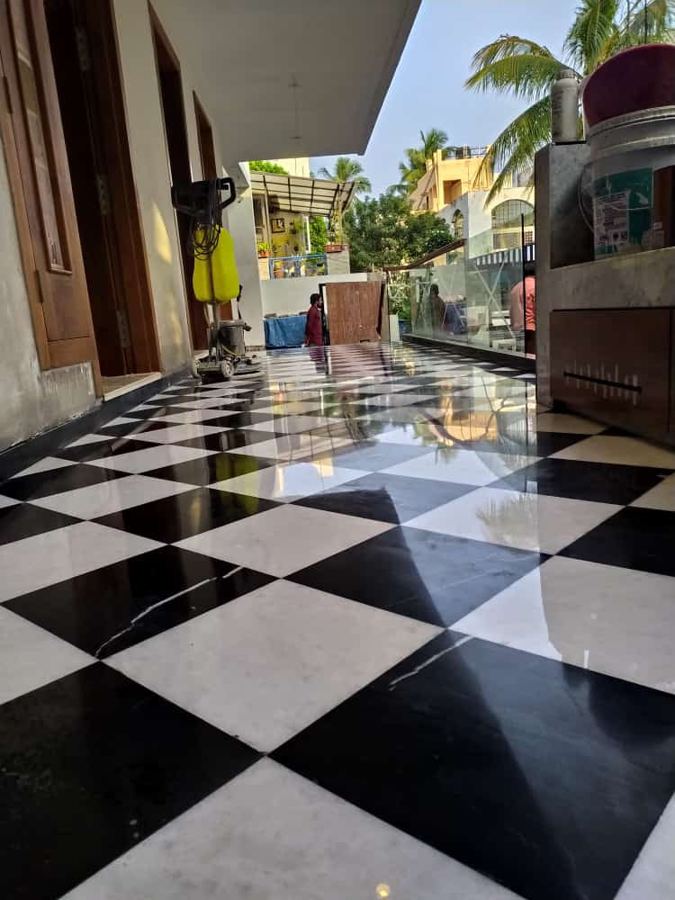
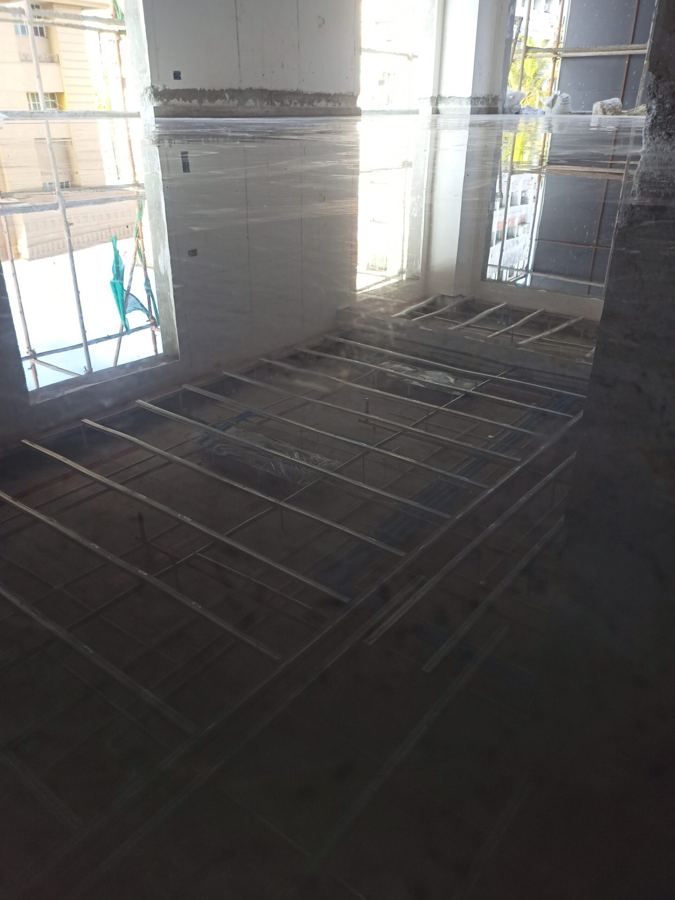
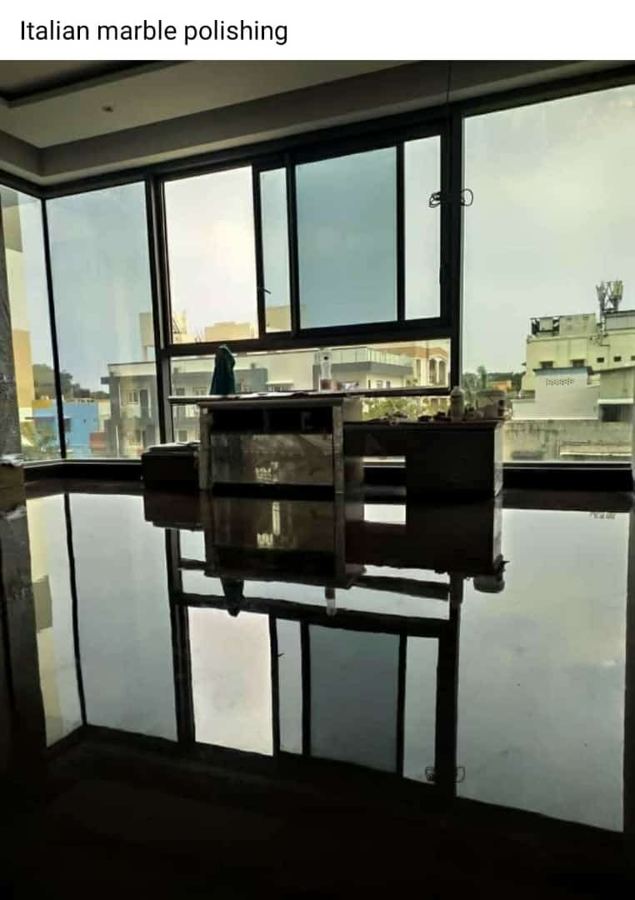
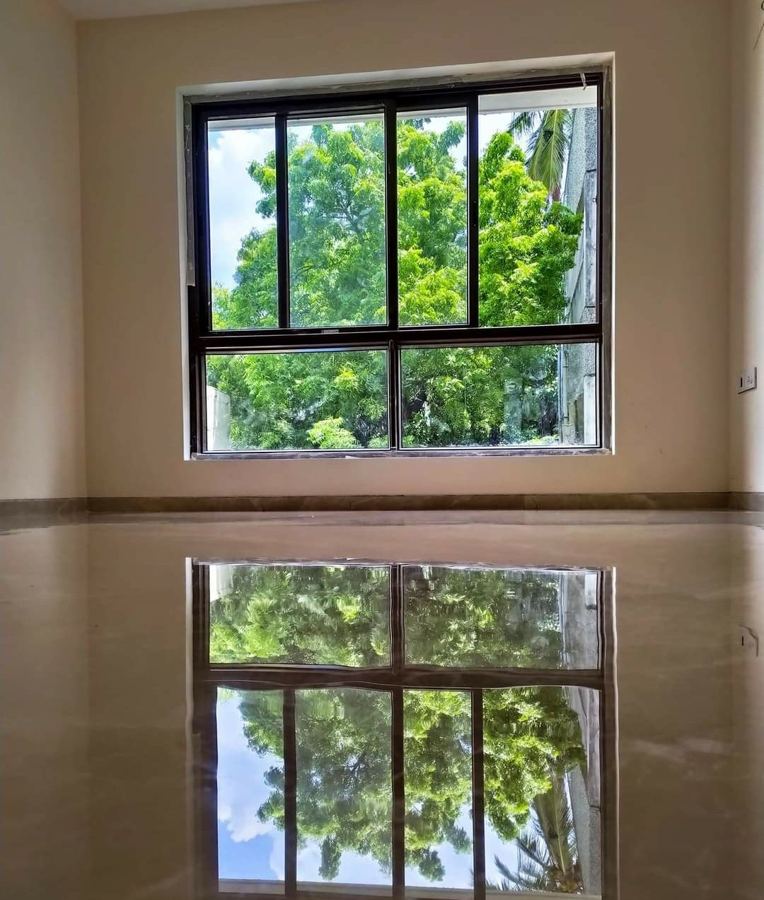
If your marble looks dull, scratched or patchy even after a careful clean, cleaning alone will not bring the shine back. That needs polishing. If you want a fresh shine for the festival, book the work early, so the job is finished and the floor is clean and dry well before the busy festive days. Our guide on preparing your home for marble polishing explains how to get ready, and the polishing process explained shows what happens on the day. Light Italian marble needs its own gentle method, explained in Italian vs Indian marble care.
A quick after-Diwali checklist
- Sweep up rangoli powder and ash dry before any mopping.
- Check under diya spots and candle stands for oil rings and wax.
- Mop with a mild, pH-neutral cleaner and dry the floor.
- Look for new dull patches where drinks or sweets were spilt.
- Put furniture back with felt pads and keep the doormats in place.
Let us bring back the shine
Onyx Stones provides marble polishing, Italian marble polishing and floor polishing for homes in Mohali and across Punjab, before the festival or after it. See our work in the project gallery, then call or WhatsApp us on +91 78000 64168, or send an enquiry. We are based in Sector 80, Mohali, and are open Monday to Sunday, 9 AM to 10 PM. Wishing you a bright and happy Diwali.