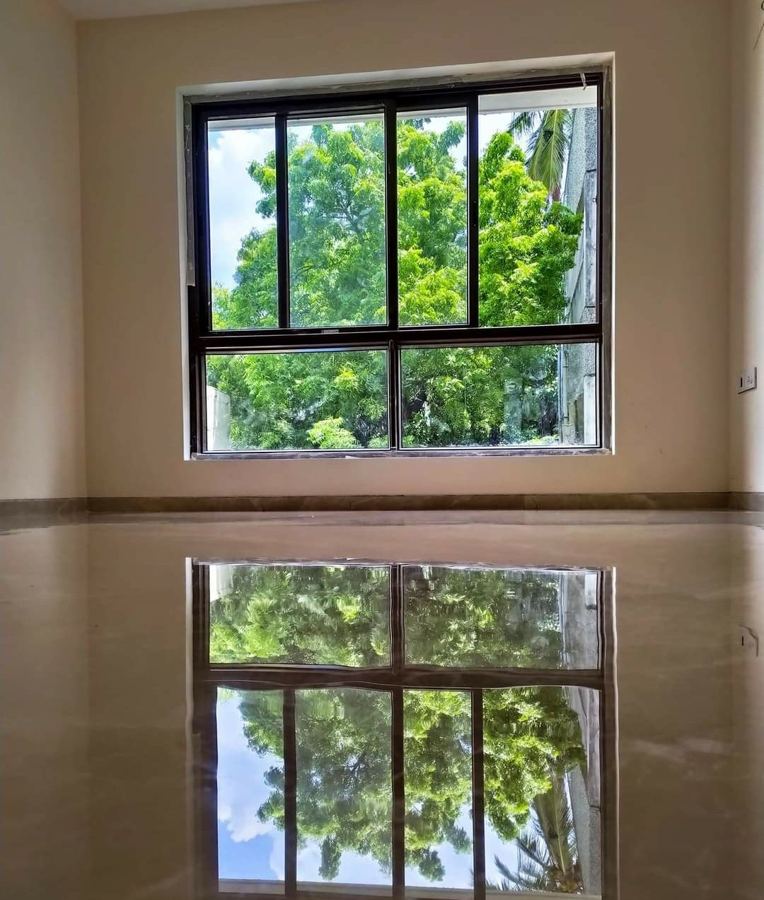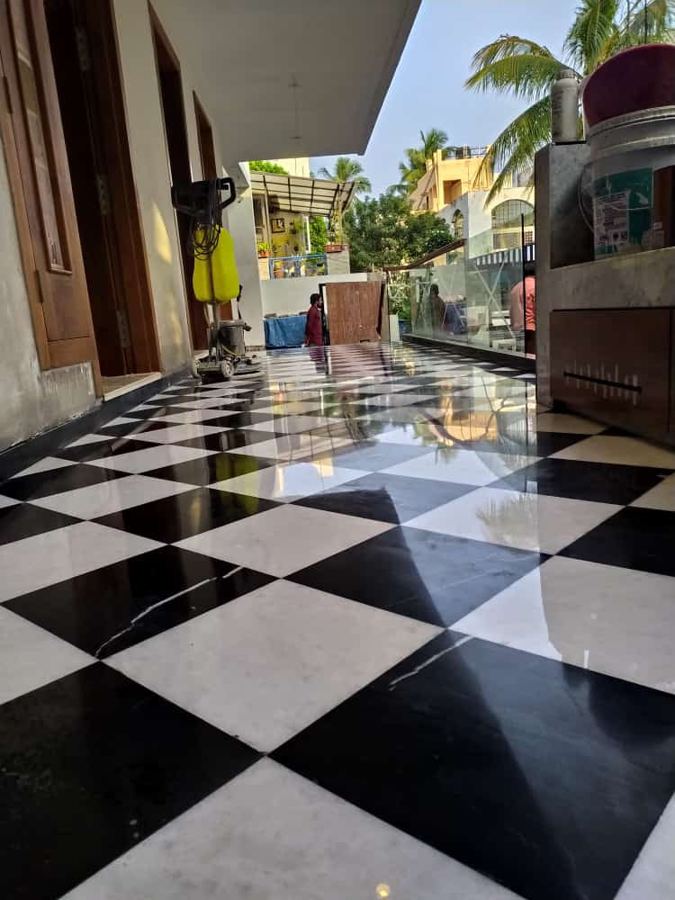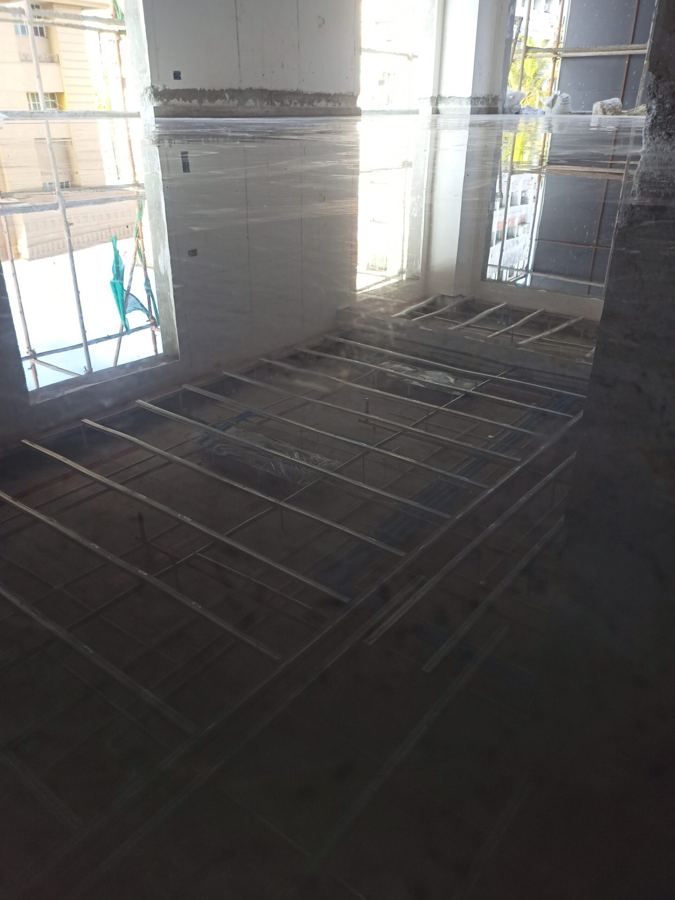
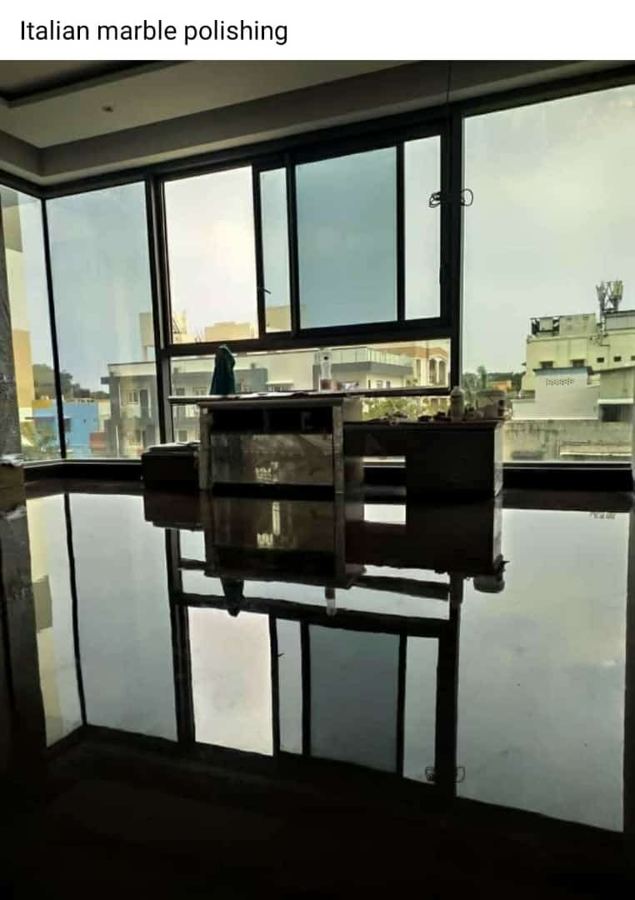
Walk into new homes in Mohali, Chandigarh or Ludhiana and you will see both kinds of marble: bright, glossy Italian stone in living rooms and lobbies, and familiar Indian marble on floors, stairs and verandas. Both are beautiful, and both are marble, but they do not behave the same way in daily life. Knowing which one you have helps you clean it correctly, avoid damage and plan polishing at the right time.
What they have in common
Italian and Indian marble are both natural stones made mostly of calcium carbonate. That means the same basic rules apply to every marble floor:
- Acids etch marble. Lemon, vinegar, tomato, soft drinks and most bathroom or tile cleaners leave dull, rough spots where they touch the stone.
- Grit scratches marble. Sand and dust carried in on shoes slowly wear away the shine, especially near doors.
- Marble is porous. Oil, tea, turmeric and hair dye can soak in and leave stains if they are not wiped up quickly.
The difference is in how strongly each stone reacts to these everyday risks.
How Italian marble differs
Popular Italian varieties such as Statuario, Carrara and Botticino are prized for their colour, deep veining and mirror-like shine. In general they are softer and more delicate than most Indian marble.
- Scratches and etching show faster, and on a high-gloss surface even a small dull mark is easy to see.
- Light-coloured slabs stain easily. White and cream Italian stone shows tea, oil and rust marks clearly.
- Slabs are often reinforced. Many Italian slabs have a mesh backing and resin filling in natural cracks and veins. Harsh chemicals and heat can damage this filling.
- Polishing needs a gentle hand. Aggressive grinding can remove too much of the surface or open up filled veins, so a softer, stone-specific process works best.
How Indian marble differs
Indian marbles, such as Makrana, Katni, Ambaji and Rajnagar varieties, are widely used across Punjab for floors, stairs and wall cladding. Most of them are denser and more forgiving in daily use.
- Better for heavy foot traffic, which is why Indian marble is a common choice for staircases, passages and commercial spaces.
- Wear shows as a general dullness rather than sharp marks, and it can usually be restored by grinding and polishing.
- Some varieties are more porous and can yellow or absorb stains over the years if they are never sealed or cleaned properly.
- It handles deeper restoration well. Floors with uneven wear or deep scratches respond well to diamond grinding followed by polishing.
Daily cleaning: what changes
The daily routine is almost the same for both stones, but Italian marble leaves less room for mistakes.
- Dust-mop or sweep every day with a soft mop. On Italian marble this matters even more, because fine scratches show quickly on the high gloss.
- Wet mop with plain water or a pH-neutral stone cleaner. Never use phenyl mixed with acid cleaners, bleach, vinegar or lemon on either stone.
- Wring the mop well. Standing water can leave marks, and on Italian slabs it can reach the resin filling at the joints.
- Wipe spills straight away, blotting rather than rubbing. Be quickest on light Italian marble and around kitchens and dining areas.
- Use doormats at every entrance and felt pads under furniture. In Punjab's dusty months this protects both stones.
Stains and dull patches
If a stain does appear, treat it gently. On both stones, a poultice made for marble can draw out oil and organic stains, as explained in our guide on removing stains from marble. Avoid scrubbing pads, which leave scratches that are especially visible on Italian marble. Etch marks from acids are surface damage rather than stains, so they need polishing, not cleaning, to disappear.
Polishing: different approaches
Both stones eventually need professional polishing to restore their shine, but the method should match the stone.
- Italian marble: a lighter, stone-specific process that removes dullness and fine scratches while protecting the resin filling and the depth of colour. See our Italian marble polishing service.
- Indian marble: often benefits from the full process of scrubbing, grinding with graded diamond pads, polishing and buffing, explained step by step in our marble polishing process.
- Not sure which you have? Colour alone can mislead, because some Indian marble looks very similar to Italian stone. A site inspection settles it before any machine touches the floor.
Choosing between them for a new floor
If you are still planning, think about how each room is used. Italian marble suits living rooms, lobbies and feature walls where its look matters most and traffic is moderate. Indian marble is a practical choice for stairs, passages, verandas and busy family areas. Many homes combine both, with Italian marble as a centrepiece and Indian marble in high-use zones. Our marble designing team can help you plan the layout, and if you are also considering tiles, read marble vs vitrified tiles.
Book a site visit
Whether your floor is Italian or Indian marble, Onyx Stones can inspect the stone, recommend the right care and share a clear quote for polishing. Call or WhatsApp us on +91 78000 64168, or send an enquiry. We are based in Sector 80, Mohali, and are open Monday to Sunday, 9 AM to 10 PM.